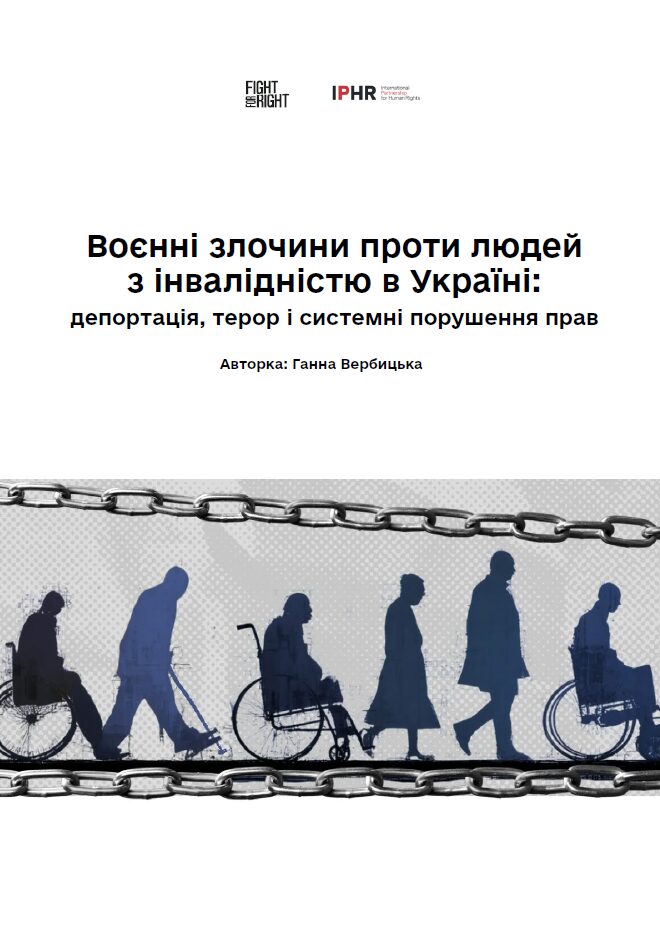
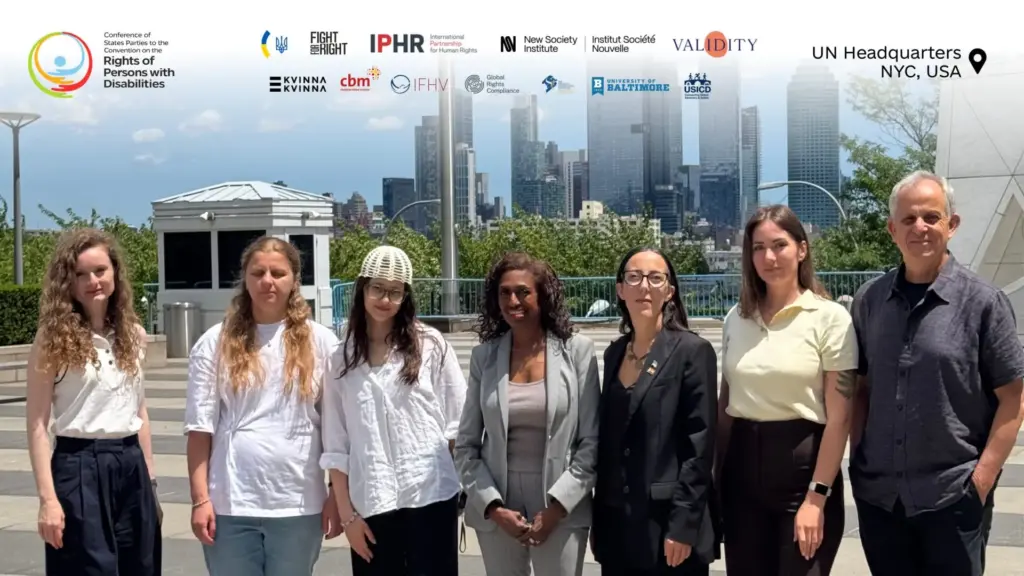
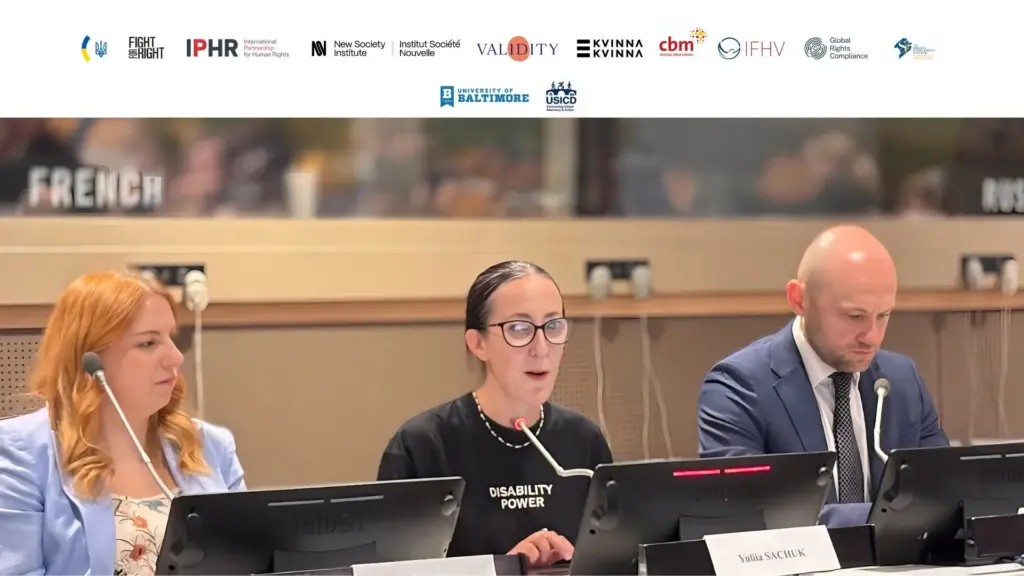
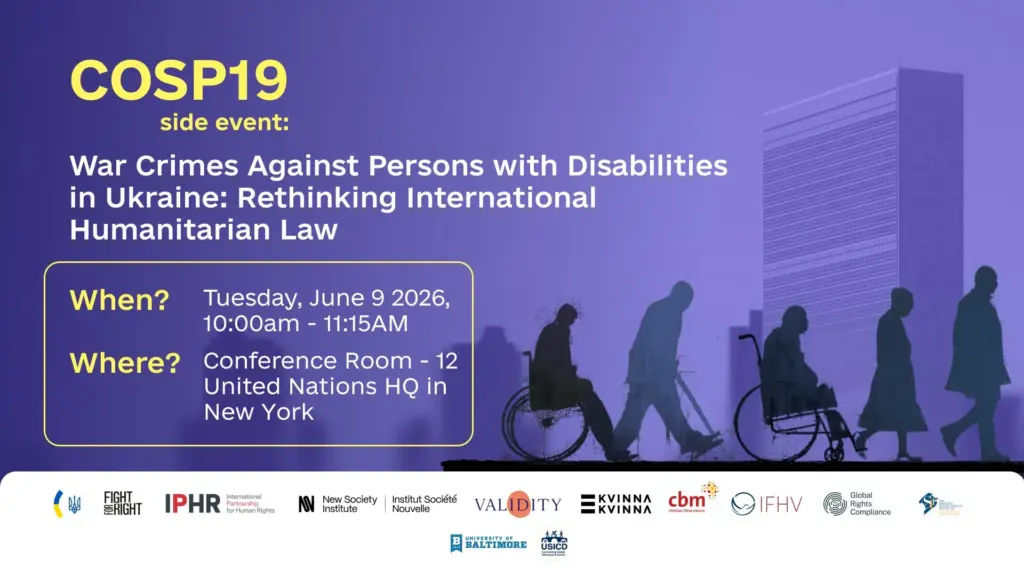
Persons with disabilities are often overlooked by those documenting Russia’s war crimes. That is why Fight For Right, in partnership with International Partnership for Human Rights (IPHR), collects evidence to ensure that the story of every affected person with a disability is heard and documented.
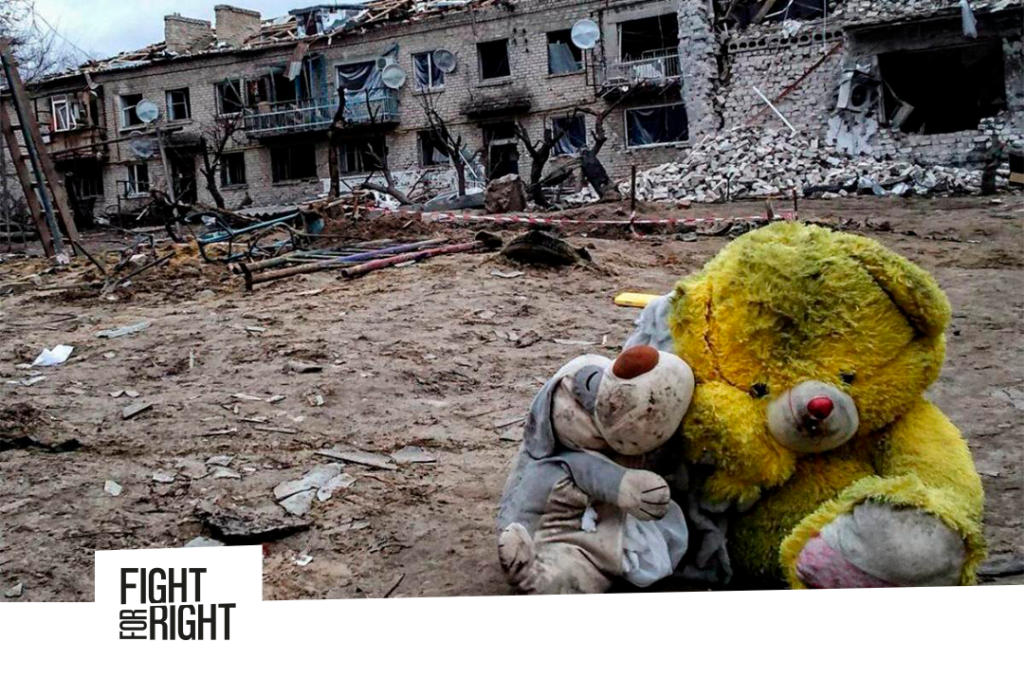
The systematic nature of the attacks and the disregard for the safety of persons with disabilities constitute gross violations of international humanitarian law.
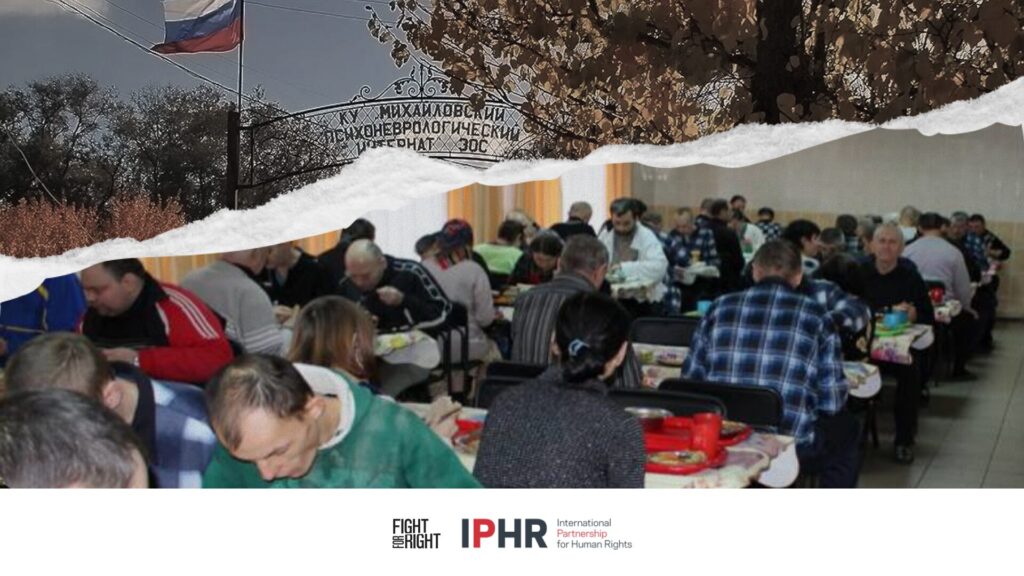
According to human rights organizations, at the beginning of Russia’s full-scale invasion, at least 6,000 people remained in residential institutions located in occupied or encircled territories.
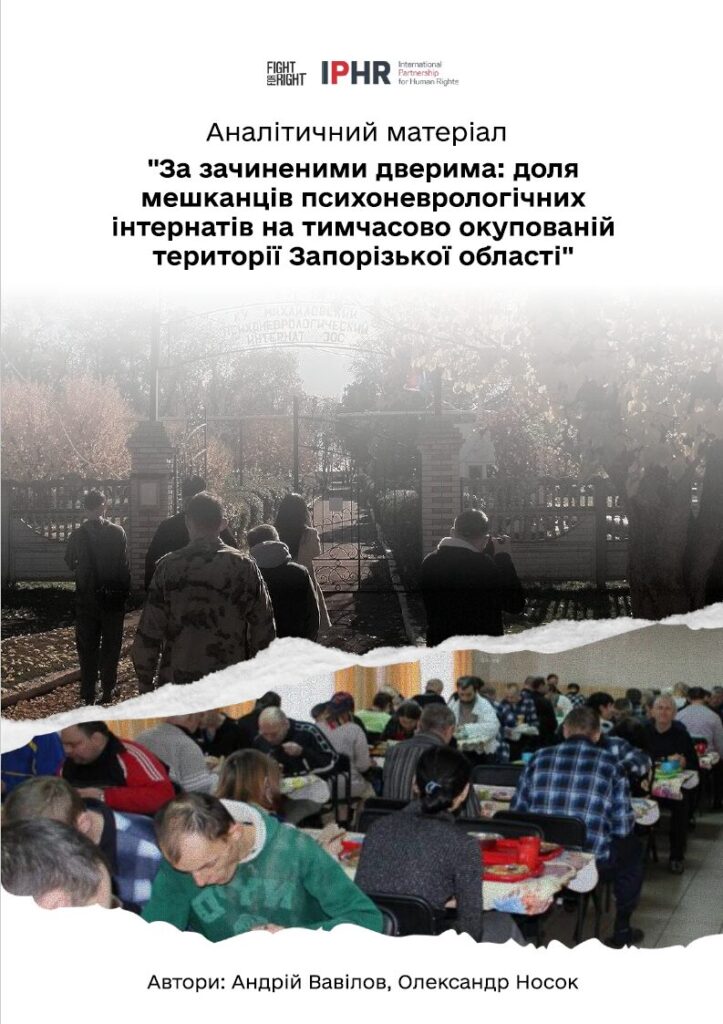
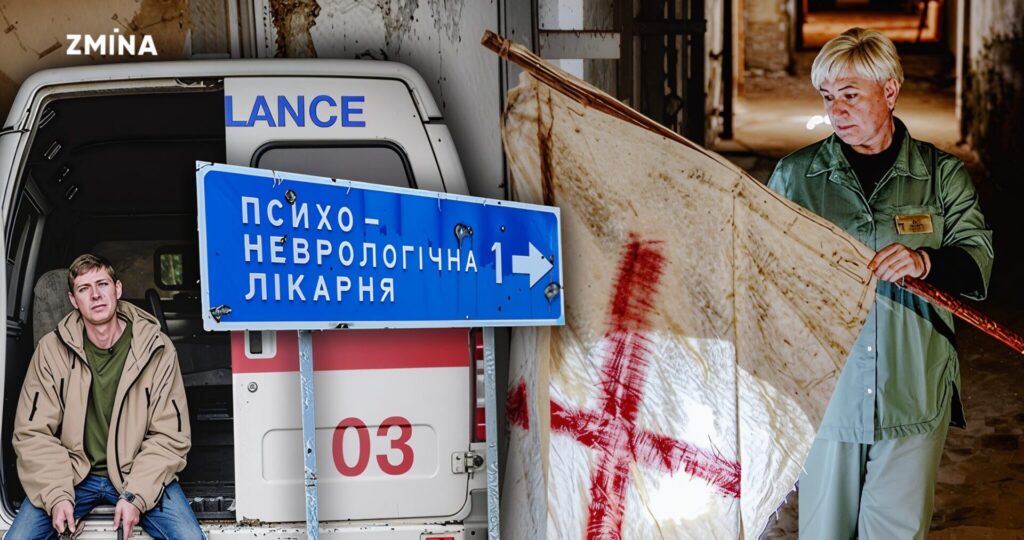
At least 20 residential institutions—including geriatric, neuropsychiatric, and social care facilities—remain in areas either controlled by Russian forces or cut off from territories under the control of the Government of Ukraine. The fate of an estimated 5,000 to 6,000 persons with disabilities in these institutions in the temporarily occupied territories remains unknown. This points to deliberate attacks against civilians and the destruction of the care system.
Statement by Fight For Right on the russian federation’s Forced Relocation of Children with Disabilities from Residential Care Facilities in the Temporarily Occupied Kherson Region